
 Resources
 Campus Life
 Just for you


 My Canyons
  Canvas

International Students
International Students

Pay Your Tuition
Pay your tuition online now, using Flywire - a secure way for international students to pay their tuition.
|
Apply Now!Want to apply to College of The Canyons as an international student? Learn how today! |
Global Online LearningCOC Global Online Learning (GOL) allows students to begin their university study from their home country by taking College of the Canyons classes online. |
IELPIELP (Intensive English Language Program) is a program for international students to improve their English enough to take American college courses. |


Student Resources

Change of Status: Provides permission to foreign nationals holding a non-immigrant visa in the U.S. to change status to another non-immigrant category while in the U.S.
Continued Attendance: After a student has entered the U.S. with their I-20, they will receive a new "continued attendance" I-20 with a valid travel signature.
DSOs: Designated School Officials (DSOs) answer international student questions and guide them through the process of studying in the United States.
Duolingo: The Duolingo English Test is an English proficiency assessment used to evaluate your ability to read, write, speak, and listen to English.
F-1 Visa: F-1 Visas are for students looking to enter a school for academic study with the intent of obtaining a degree, diploma, or certificate.
Form I-20: The Form I-20 lists your program start date, and allows the student to enter the United States 30 days before the program start date.
IELTS: The International English Language Testing System (IELTS) is an international standardized test of English language proficiency for non-native English language speakers.
Initial Status: The exchange visitor's and/or dependent's record has been created and submitted (saved to the SEVIS database), but the exchange visitor has not entered the United States and has not reported to the program sponsor.
SEVIS: The Student and Exchange Visitor Information System (SEVIS) is a program within U.S. Immigration and Customs Enforcement, which is under the U.S. Department of Homeland Security, to manage foreign students and exchange visitors in the United States.
TOEFL: Test of English as a Foreign Language (TOEFL) is a standardized test to measure the English language ability of non-native speakers wishing to enroll in English-speaking universities.

Adult Learner: Typically refers to an older student who usually has experience in the workforce.
Campus: The physical buildings and grounds owned by a college or university.
Career Services: A student resource department that helps students and alumni job-search, develop resumes, give interviews, and network.
Cohort: A group of students working through a curriculum together towards the same degree.
College vs. University: Colleges are generally smaller institutions that focus on undergraduate education while universities are typically larger institutions that offer a greater number of graduate degree options.
Commencement: A formal graduation ceremony that celebrates recent graduates of an institution with their family and friends.
Continuing Education: This typically refers to part-time formal education for working adults. Oftentimes, professional certifications may require continuing education credit, though not all necessarily require college coursework.
Dormitories: Campus housing where full-time students live within close distance of the academic buildings.
Homestay: An accommodation made available to international students coming to study in the United States that involves staying in the home of a host family.
First-Generation Student: A college student who is the first in their family to go to college.
Gainful Employment: A regulation that requires for-profit college programs to prepare graduates for gainful employment in a recognized occupation in order to receive federal funding.
Higher Education: Refers to any formal schooling after high school.
Office Hours: Designated days and times when professors are available for students to speak with and ask questions. Office hours will vary with each professor and will be listed on their syllabus.
Orientation: Time at the beginning of a school year that serves as a training period for new students. Typically includes activities or courses intended to help students get to know the institution and how to use available resources.
Post-secondary: Any education, whether degree-seeking or not, pursued after high school.
Private College vs. Public College: Public colleges and universities are funded by state governments, while private colleges and universities are not publicly owned, often relying on tuition payments and private contributions to operate.
Registrar: A specialist tasked with handling many administrative academic duties like registering students for classes, preparing student transcripts, preparing class schedules, and analyzing enrollment statistics.
Student Handbook: A student's primary resource on their school's academic policies, disciplinary procedures, student expectations, and information about financial aid and other student services.
Terms vs. Quarters vs. Semesters: The academic year is often divided into terms, the most common of which are semesters or quarters. Semesters typically include a fall and spring semester and winter/summer sessions that may be shorter. Quarters divide the year into four terms, each usually 10 or 11 weeks: one each for fall, winter, spring, and summer.
Traditional vs. Nontraditional Student: Traditional students generally attend college right after high school, are financially dependent on parents, and attend full-time. A "nontraditional student" typically refers to adult students (usually 25 or older) who either work full-time, are financially independent, have children, or attend college part-time.
Virtual Career Fair: A free online career fair that allows students to network with employers and career development professionals as well as attend career workshops.
Work-study Program: Work-study programs help college students with financial need get part-time campus jobs to help pay for day-to-day expenses and tuition payments. Work-study jobs are federally or state funded.

Academic Advisor: Academic advisors are staff members assigned to students in their department. They help students choose majors and minors, design a course of study, and help ensure students fulfill graduation requirements.
Accelerated Program: Programs designed to help students graduate sooner. Accelerated programs often include more stringent admission requirements and summer courses.
Add/Drop Period: Time frame when students can drop or add courses to their course load without consequences, including incomplete marks on their transcript.
Adjunct Faculty/Professor: Adjunct professors work as independent contractors who teach a limited number of classes, as opposed to full-time faculty.
Associate's Degree: Undergraduate degree that generally requires two years of full-time study.
Asynchronous Learning: Online classroom format where students learn at their own pace and engage with classmates and instructors via discussion boards and email messaging.
Audit: Taking a course not for credit, allowing students to learn material they are interested in. Allows them to attend class sessions they are interested in without being required to complete assignments or take tests.
Bachelor's Degree: Undergraduate degree that generally requires four years of full-time study. Students must declare a major in a particular field of study and choose a Bachelor of Arts or Bachelor of Science degree path.
Competency-Based Education (CBE): A method of instruction and evaluation based more on the students' mastery of the material than time spent in seat. CBE allows students to show what they know either from independent learning, classroom learning or experiences in the field.
Certification: A non-degree credential that proves knowledge or skill in a specific area. Valued credentials vary by industry and job title.
Class Rank: Refers to a student's standing in comparison with their classmates. It's often determined by grade point averages and is expressed as a percentile.
Clinical Education: Often referred to as clinicals, these programs allow students to practice their skills under the supervision of a practitioner. Clinical education is most common in the healthcare field.
Core Courses: Includes fundamental courses like English, math, general science, and history that provide a foundation for major-specific courses. Exact course requirements may vary depending on your major. Core courses may also be referred to as "general education courses."
Course Catalog: A college publication that describes all academic programs, majors and minors, and course descriptions.
Course Load: This refers to the total amount of courses a student takes per term.
Credit for Prior Learning: College credit granted to students who can demonstrate knowledge gained outside a traditional college setting that is used to satisfy course requirements. Examples can include work and life experience, independent study or industry certifications.
Credits: A measure of a class's time based on how many hours students spend in class, but specific numbers largely depend on the institution.
Curriculum: The knowledge, skills, lectures, assignments, tests, and presentations that make up a course. It may also refer more broadly to the courses that make up a major or academic program.
Department: Academic division specializing in an area of study like Nursing, English, Engineering, or Biology.
Department Chair: Educator assigned to manage an academic department. They unite the department and act as a liaison between the department and college administration.
Didactic Learning: This teaching method focuses on improving students' foundational knowledge one lesson at a time with teacher-directed lessons.
Dissertation: The completed thesis of a doctoral student. A long document of research and findings required to earn a doctorate.
Doctoral Degree: The most advanced academic degree in most fields. Provides the graduate a high level of expertise and greater options for research, writing, teaching, and management within their specialty.
Electives: Classes students choose to fulfill a general education requirement or just because they're interested in a topic outside their major's core courses.
Faculty: Academic staff including professors, both full-time and adjunct.
Final Exam: A test taken at the end of a course that usually includes subject matter from the entire course.
General Education Courses: Curriculum that creates the foundation of an undergraduate degree. It generally includes lower-level courses in English, Mathematics, Natural Sciences, and Social Sciences.
Grade Point Average (GPA): Represents the average of a student's final grades in all their courses. It's calculated by adding the final grades divided by the number of credit hours, though some classes may be weighted or measured on a different scale.
Grading Scale: System in which letter grades are awarded a grade point or number to help calculate GPA.
Hybrid Degree: Also called a blended degree, hybrid programs combine traditional learning on campus with online components.
Internship vs. Externship: Both are experience building opportunities for students, and the terms are often used interchangeably. That said, internships can take the form of paid opportunities to work in their fields in a low-level role for an employer. Externships typically aren't paid, are shorter, and are often a form of job shadowing. For example, student nurses complete clinical externships under the supervision of established nurses.
Lecture: Oral presentation given by a professor to educate students. Sometimes this can refer to a class format that doesn't require lab work hours.
Liberal Arts: Interdisciplinary study of humanities, social, and natural sciences meant to give students a broad spectrum of knowledge.
Master's Degree: A graduate-level degree pursued after completing a bachelor's degree program. A master's degree requires a year and a half to two years of full-time study and a high-level of mastery in a specific field at the completion of the program.
Matriculate: A matriculated student is admitted, registered for classes, and in good academic standing at a college or university.
Midterm: An exam given approximately halfway through a course term that generally covers all lecture, reading, and discussion material presented so far.
Minor: A secondary focus meant to add to the value to the student's major. A minor consists of the lower-level courses required for a major in the same discipline. For example, a Business major with a minor in Spanish is required to complete a certain number of lower-level Spanish courses, which are typically the same lower-level Spanish courses taken by students pursuing Spanish as a major.
Pass-Fail Course: Instead of receiving a letter grade, students receive either a P or F on their transcript. Requirements for passing will vary depending on the course.
Plagiarism: Taking credit for someone else's work as your own including copying words, sentence structure, or ideas. Plagiarism has very serious consequences in higher education.
Postgraduate Education: Includes higher education completed after an undergraduate degree. This includes master's degrees and doctoral degrees.
Practicum: Practical application of theory learned in the classroom. Often a requirement for programs in Education, Social Work, or other clinician fields.
Prerequisites: Lower-level courses required before a student can take more advanced courses or apply to a program.
Probation: Academic probation means a student has fallen from good standing status and is at risk of being dismissed from the university. Institutions measure academic standing by GPA and courses passed. Policies regarding this will vary depending on the institution.
Professional Certificate: Certification earned outside of an academic degree program to increase specific skills or knowledge to help keep professionals current on industry trends, technology, and other topics.
Programmatic Accreditation: Accreditation granted to academic programs, departments, or entire schools within a university is used as an independent validation of academic quality and is often tied to professional licensure exam requirements.
Registration: Process of reserving a spot in specific classes for enrolled students.
Seminar Course: A course based on reading, research, and group discussion. Seminar courses are typically smaller, led by professors, and cover advanced topics.
Synchronous Learning: Online classroom format where students learn together at the same time and engage with classmates and instructors via discussion boards and video conferencing.
Thesis: An extensive research paper created as part of an academic program, typically at the graduate degree level.
Transcript: Official record of courses taken and grades earned at a given institution.
Transfer Credits: Course credits carried over from one institution to another.
Tutors: A more experienced student or teacher who offers one-and-one academic help, usually in a specific subject.
Undecided or Undeclared: A student enrolled in courses but has not yet declared a major.
Waitlist: A term commonly seen during registration periods. Students hoping to enroll in a full class can opt to be placed on a waitlist. This essentially saves a place in line in case spots open up from registered students dropping or changing plans.
Withdraw: To drop a class after the add/drop deadline. Withdrawing often means receiving a W on your transcript.

Assistantship: Most common at graduate level, assistantships give students the opportunity to earn tuition reimbursement by working for faculty members in their area of study.
Employer Education Assistance Benefit: A benefit some employers offer that may cover some or all of student education expenses. Details will vary depending on employer-some may have stipulations to remain eligible for the benefit.
FAFSA: The Free Application for Federal Student Aid (FAFSA) is a document that prospective students complete to determine eligibility for federal loans and grants.
Federal Grants vs. State Grants: Grants are need-based forms of financial aid that do not need to be repaid. Federal grants are awarded through the FAFSA. State grants are awarded through the student's home state and usually have different eligibility requirements than that of the FAFSA.
Income-Driven Repayment Plan: A loan repayment plan where monthly payments are based on the borrower's income and number of dependents.
Net Price: Calculated by taking the "sticker price" for tuition, room and board and other fees, and subtracting any scholarships and grants the student is receiving.
Room and Board: Term for charges stemming from on-campus food services and housing.
Scholarship: An award given by a college, university, or outside institution to help a student pay for tuition or day-to-day expenses. Criteria varies depending on individual scholarships.
Stafford Loan: A direct federal loan with fixed interest rates.
Subscription-Based Pricing: As opposed to per-credit pricing, subscription-based pricing allows students to take as many courses as they want in a set period of time, usually per semester.
Subsidized vs. Unsubsidized Loan: If a student receives a subsidized loan, the U.S Department of Education pays all interest accrued during school, the 6-month grace period, and deferment. Students with unsubsidized loans must pay interest either while in school or have the accrued interest added to the principal loan balance.
Tuition: The core price for college classes. Tuition may be listed as a flat rate for a range of credits, usually 12-18, or priced per credit.

ACT: The American College Test (ACT) is a standardized test that estimates a student's readiness for college coursework. Many colleges and universities require either the ACT or SAT.
AP Classes: Advanced Placement (AP) courses are college-level courses taught in high school. Scoring well on the AP exam can mean receiving credit for introductory college courses.
Common Application: A platform that allows students to apply to almost 900 schools in a streamlined way.
Early Action vs. Early Decision: Both early action and early decision allow college applicants to apply earlier and find out the results sooner. Generally, students can apply to as many schools as they'd like with early action. But if you apply early decision and are accepted, you must enroll in that school.
Entrance Requirements: Also called "admission requirements," many colleges require applicants to submit an application, transcripts, and standardized test scores among other materials. Not to be confused with prerequisites.
GRE: The Graduate Record Examinations (GRE) is the most common standardized test required to apply for graduate programs.
Placement Test: Some colleges administer placement tests in subjects like math and English to check the academic skills of new students so they can properly place them in the right courses.
Priority Date: The date by which prospective students must submit their applications to be most strongly considered, usually for admissions and scholarships.
PSAT: The Preliminary Scholastic Aptitude Test (PSAT) acts as both a practice test for students who will be taking the SAT for college admissions and as a way for the College Board to determine National Merit Scholarship Finalists.
Regular Decision: The most common timeline for college admissions. For regular decision, most schools require prospective students to apply by early January so applicants can hear back by April 1st.
Rolling Admission: Admissions departments that work on a rolling deadline evaluate applications as they receive them instead of waiting until a deadline. Students tend to hear back within 4-6 weeks.
SAT: The Scholastic Aptitude Test (SAT) is a standardized test that measures college preparedness. Either the ACT or SAT is required for many colleges' and universities' applications.
TOEFL: The Test of English as a Foreign Language (TOEFL) is the standardized test for non-native speakers of English applying to American colleges and universities, among other institutions.
Waitlisted: An admissions status that is neither an offer nor a rejection. Waitlisted students may be accepted to the college or university at a later time.
College of the Canyons Board of Trustees Policy #509 requires international students who hold I-20s issued by College of the Canyons to obtain health insurance. International students are required to present proof of health insurance before they begin their classes. Coverage for the duration of the school semester through the beginning of the following semester is required. Please note that travel insurance is not a valid form of insurance for long term study in the United States.
Evidence of health insurance coverage must include a start and end date. Deviations from this requirement may only be approved by the Dean and Director of ISP. International students may obtain valid insurance from their home place of origin instead of purchasing group insurance. They may also obtain coverage from U.S. providers. Students may either seek out a provider themselves, or purchase a pre-approved policy offered by the Lane Lewis Agency.
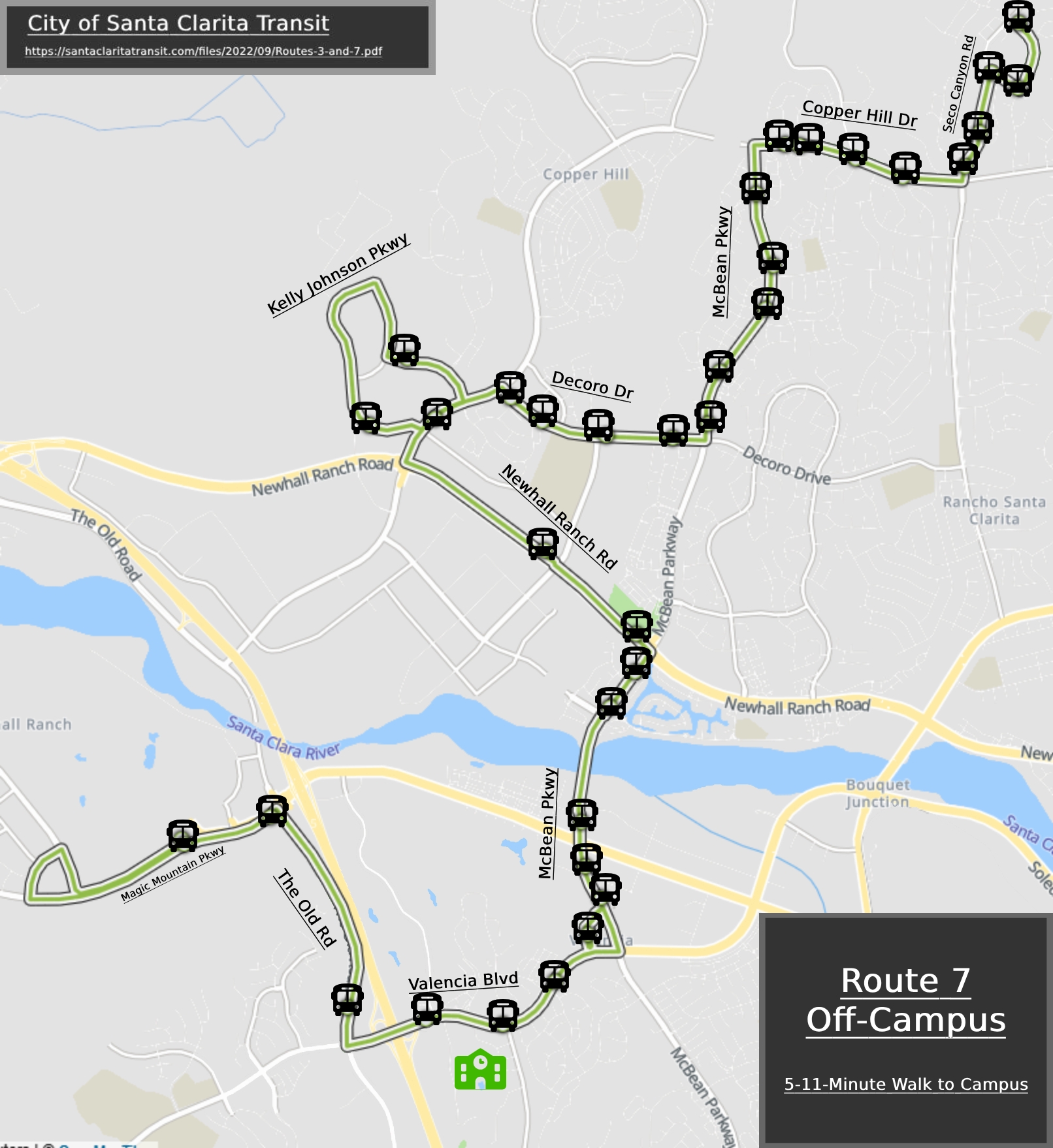
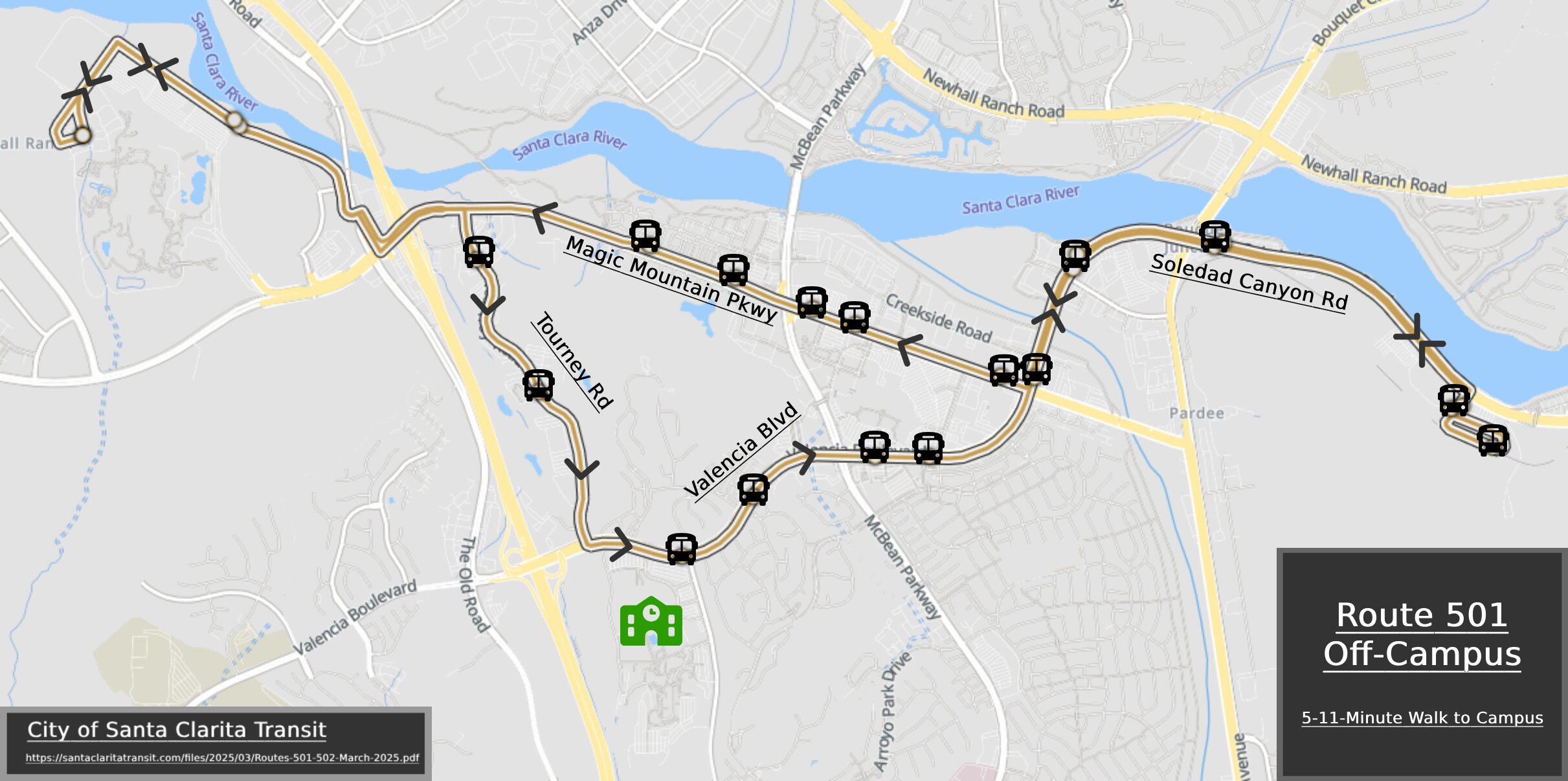
College of the Canyons does not have dormitories, therefore students may not live on campus. At ISP, we facilitate contact between prospective students and housing providers as a service to both. Any agreement regarding housing or related services shall be between the student and the housing provider and not between either party and the International Services and Programs and/or College of the Canyons. ISP and/or College of the Canyons are in no way liable to either party regarding performance of respective obligations under any agreement.
The District seeks to guarantee equal human rights for the student body of College of the Canyons. The District encourages housing providers to ensure that equal opportunities shall be afforded to all students.
There are many living options in Santa Clarita, including homestays and sharing an apartment with roommates.
Here are some of the places to check out.
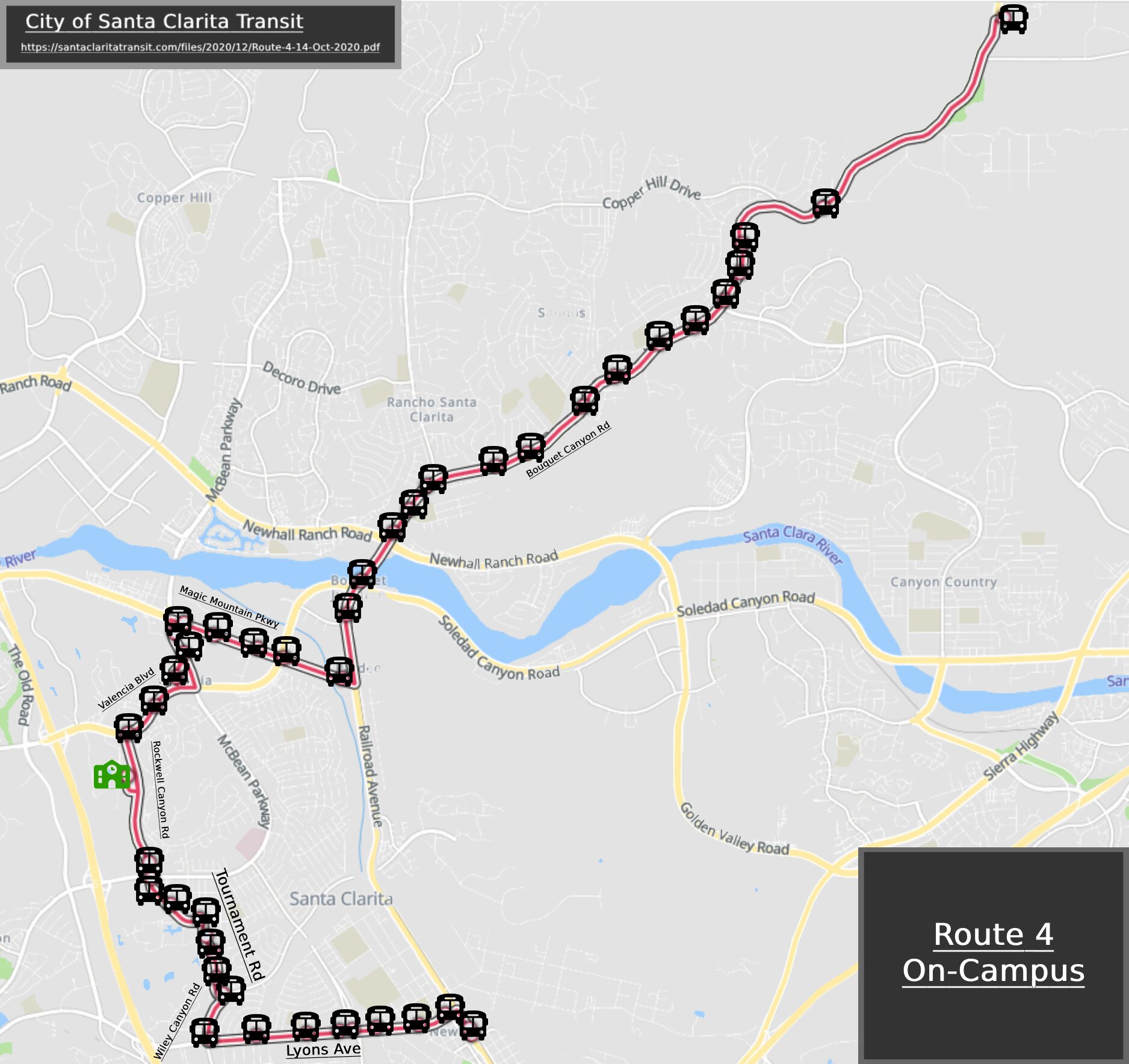
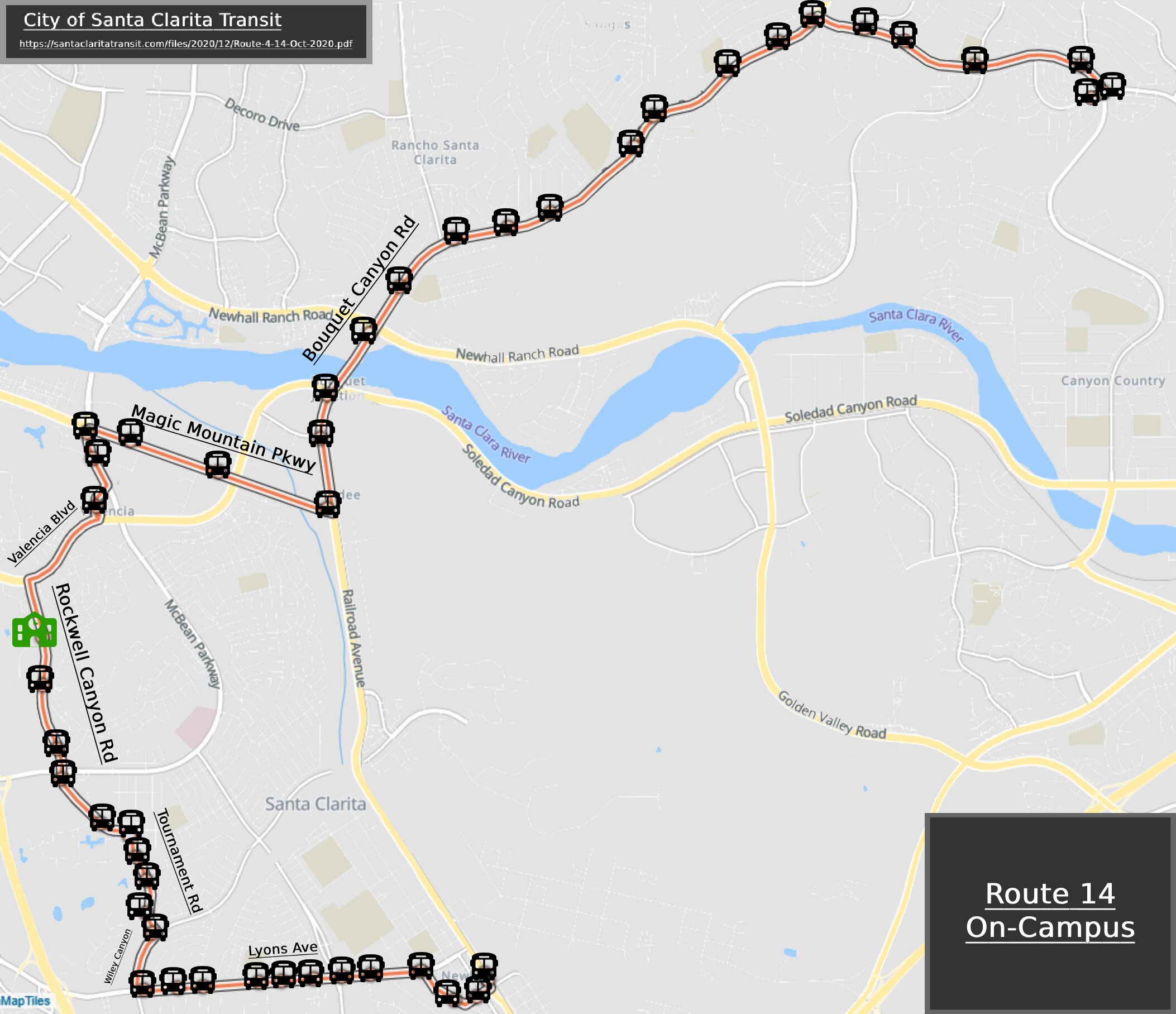
On-Campus Bus Routes |
 |
 |
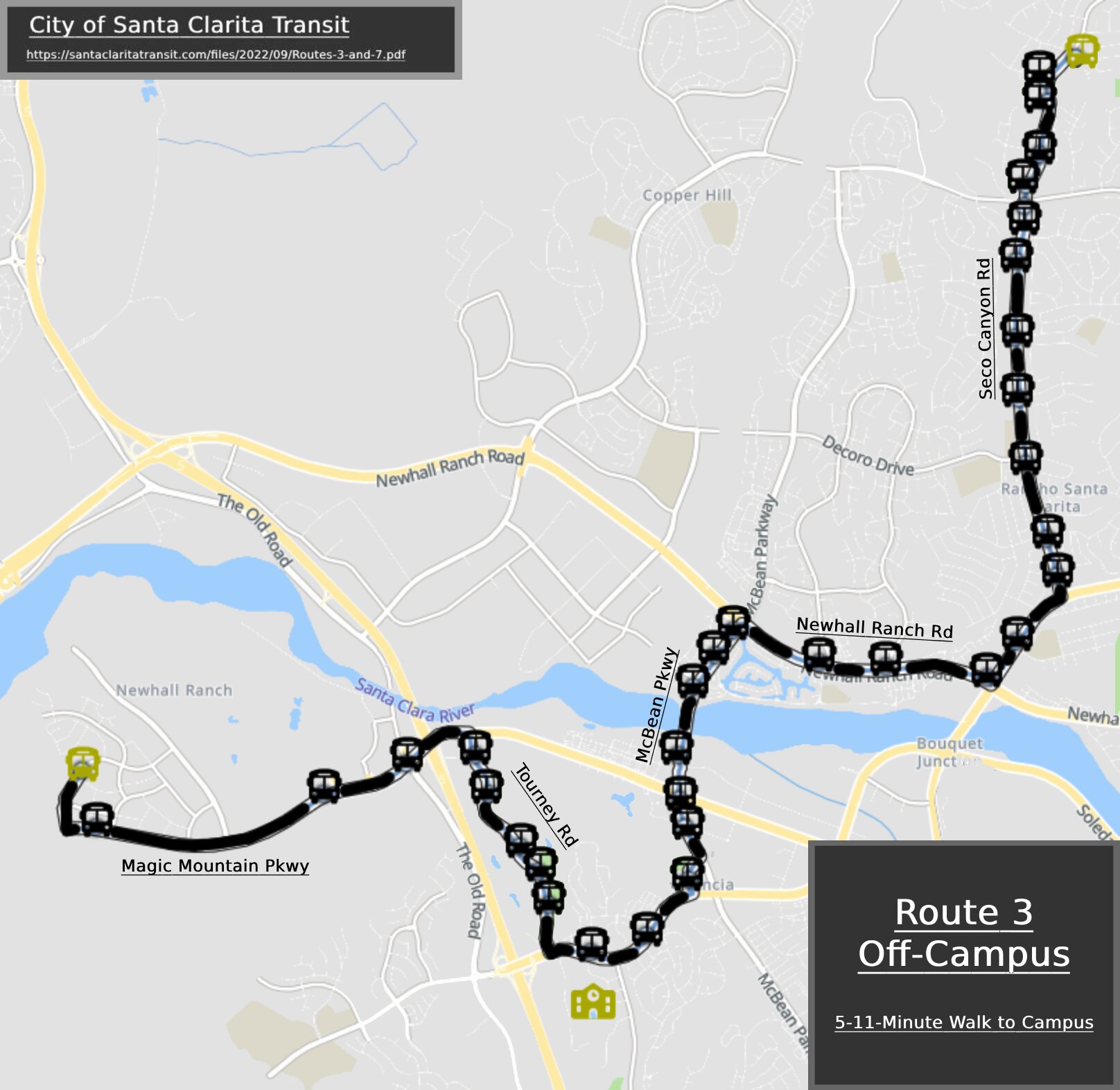
Off-Campus Bus Routes |
 |
 |
 |
|
College of the Canyons requires students to use a NACES-approved service to translate and evaluate non-US transcripts and credentials. IEE: Foreign Credential Evaluations is a NACES-approved service that can provide students with official translations of foreign transcripts and credentials.
Please visit IEE's website for international credential evaluation specifically for COC students.
Criteria for international transcript translations:
- Translations must be in English
- Translations must be from a current NACES agency member at the time of evaluation
- Includes detailed, course-by-course evaluation
- Includes grades and units for each course
- Must distinguish lower division and upper division units
- Must state the U.S. equivalency of credential
Student FAQ (Frequently Asked Questions)
What is the first step to applying as an international student?
The first step to applying as an international student is sending an email to ISP@canyons.edu. You will receive an email back with what documents are required for admission.
When do I get my I-20?
After all the required documents are submitted and reviewed, the international office will issue an acceptance letter and I-20 within 2-3 business days.
When/how do I get my classes?
You will meet with an academic advisor in person or online to discuss the classes that will make you successful in achieving your academic goals.
When do I get a student ID number?
Your acceptance letter will have your student ID number clearly marked. You will also receive instructions via email on how to set up your school account.
What documents do I need to be accepted to COC?
You can find all the required documents needed for acceptance here.
I have my student ID number. Now what?
- Create a My Canyons account with your student ID number.
- Finish COC Online Orientation. You will see the icon in My Canyons once you create your account.
When do I pay money?
You don't pay any money to the college until you register for your classes. Once you register for classes, you must pay tuition the same day.
What is IELP?
IELP is our Intensive English Language Program designed for students whose ultimate goal is to master college-level English to prepare for degree courses.
When do IELP classes occur?
They occur in 8-week sessions throughout the year. Classes generally take place Monday through Friday starting at 9:00 am.
How long does the IELP program last?
Most students are expected to complete the program in two or four 8-week sessions, depending on their starting level. The maximum length of the program is one year.
How is my level of English tested before and after IELP?
It is tested with the EFSET Plus English test in person at College of the Canyons before your first IELP session. You will retest during the last week of the IELP session to evaluate your English comprehension.
Can I only enroll in IELP Writing or IELP Speaking?
No, the IELP subjects are designed to complement each other and to provide students with a full course load.
Do I earn college units with IELP courses?
No. IELP courses are non-credit courses; however, IELP students gain the essential academic English skills toward their goal of an associate degree or associate degree for transfer.
How do I prepare to transfer?
To prepare to transfer, it is recommended that you meet with an advisor. The advisor will help you understand your educational plan and assist with selecting the right courses for your major. Creating a plan with an advisor will help you stay on track towards transferring.
How long does it take to transfer?
There are various factors that influence one's length of time prior to transfer, such as major, level of English, etc. To create the best education plan that matches your desired goals, it is best to meet with a counselor one-on-one.
How does Summer and Winter classes impact my transfer?
Summer and Winter courses are great for students who wish to expedite their transfer to another university by allowing them to earn credits faster. If you are looking to fast-track your transfer, then Summer and Winter classes can help.
Can I transfer in units from a college from my home country?
While it is possible to transfer in units, a student would need to first have their units evaluated by a NACES-approved translation service. Once a student receives their results, they would need to make an appointment with a counselor to go over the next steps.
What student clubs can I join?
Student clubs change every semester. If you don't find a club that meets your interest, you can create one! Student Development has a full list of clubs. For example, the Global Citizens Association was started by international students. View their Instagram @coc_GC
What is Associated Student Government (ASG)?
ASG is the student organization that represents all students at College of the Canyons. The organization's focus is on serving students with the goal of improving the student experience at COC, through advocacy and empowerment. International students can apply to be part of ASG!
Can international students volunteer?
What better way to get involved in campus life than participating as an event volunteer? Join us as a volunteer in facilitating community and student-oriented events on campus. Get engaged in campus activity. Be a part of amazing events that support great causes, student life, community initiatives, and enrich your experience.
How do I contact my professor?
Professors will give you their contact information on the first day of class and in the syllabus. Make sure you take note of their office hours. These are designated days and times when you can speak with the professor and ask questions in person.
How do I know which classes to take to complete my major?
Following the correct General Education Requirements along with the Major Requirements will help guide you towards completing your degree. Meeting with a counselor will also help you identify the right classes for you.
How do I know which classes will transfer to the university I wish to transfer to?
Meeting with an advisor will help you understand your options for transfer.
How do I know which major will lead me to my career?
Meeting with an advisor will help you discover which major aligns with your career path.
What GPA do I need to transfer to UCLA or Berkeley?
This depends on your major and contributing factors; it may also vary each year. Speak with an advisor for more information.
Which university is best for my major?
Using academic tools, the ISP Academic Advising Team will help you find the best fit for your transfer.